


Ever wonder about what your baby is seeing? Is their vision as good as a baby as it is when they grow up? Trying to figure out what someone else is seeing is difficult, but then to throw in the fact that they cannot even tell you what they are seeing just adds to the… Read more »

Do you ever go to your local eye care provider and when ordering your new glasses, you have no idea what anything is that they’re asking you to order? Well I can tell you from personal experience that before I was educated about what all of the different options were, I would always just order… Read more »
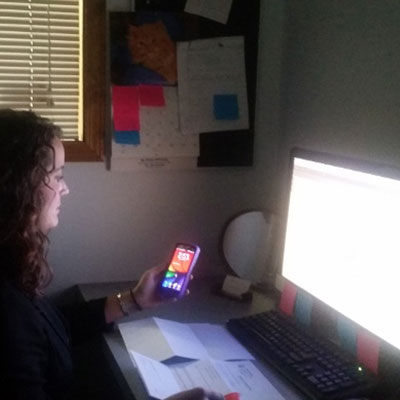
Ever wonder why you’re always feeling tired? Or after working in an office all day, your eyes are killing you? This is because your body is feeling the effects of blue light, causing you to have eye strain. Light is made up from various wavelengths that are all under different “categories” on the electromagnetic spectrum…. Read more »
Copper, orange, yellow/amber and brown/bronze lens tints make your environment appear brighter and are commonly used in low-light conditions. These lens tints block blue light and enhance contrast and depth perception making them helpful for overcast, hazy and foggy conditions. Blue light, with its shorter wavelength, scatters easier than other colors and makes focusing more difficult…. Read more »

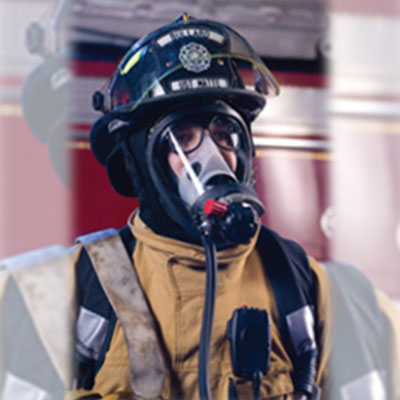
Prescription respirator inserts are a good choice for your mask. Our respirator inserts are compatible with the majority of respirators used by American law enforcement, military, and first responder personnel, and they can hold any prescription. Don’t sacrifice your vision’s comfort or safety in situations where a ventilator is required. Our in-house prescription lab and… Read more »
Can eyes get sunburned? While everyone knows that skin requires protection from UV radiation, many people wonder – can eyes get sunburned? According to the American Optometric Association, the eyes can get sunburned (photokeratitis) just like skin, and can affect vision and harm the eyes. These UV-A and UV-B rays can have serious long- and… Read more »
Keep an Eye on Ultraviolet Safety: Eye medical doctors caution us that too much exposure to UV light raises the risks of eye diseases, including cataract, growths on the eye, and cancer. Strong exposure to snow reflection can also quickly cause painful damage called snow blindness. Growths on the eye, such as pterygium, can show… Read more »

Eschenbach’s new Telescope Mounting adapter #1627-03 allows select monocular telescopes to be mounted to eye wear without drilling into the lens. The Adapter is threaded on the inside and will accommodate any of Eshenbach’s Galilean monocular telescopes- #1621, #1622, or #1623. It features a strong adhesive ring that affixes to the lens surface and it includes… Read more »
Employees are often required to wear safety eyewear in the course of their duties. In the past safety glasses were uncomfortable and bulky. Newer safety glasses are more comfortable to wear and can even be quite stylish. OSHA requires workers to use appropriate PPE for any job which may pose a threat to a person’s… Read more »
We can safely assume you look at some sort of digital screen—whether it’s a computer, tablet, phone or TV, for hours on end, each and every day. But little do you know, viewing screens for prolonged periods of time can do major damage to your eyes. You’ve probably noticed your eyes are sometimes red, dry, fatigued… Read more »
Winter Sports & Activities: A Shadey Situation Sunglasses are synonymous with the sun, which means that most of us only think about wearing them on a bright summer day. So when the winter weather boasts gray and gloomy skies, the last thing you say before heading out the door is, “Wait a minute, let me… Read more »
By Katherine Lee Medically reviewed by Lindsey Marcellin, MD, MPH Everyone should get routine eye exams — even if you think your peepers are in tip-top shape. Here’s why. Regular eye care exams are crucial for maintaining good eyesight and eye health. Many eye diseases and conditions do not have obvious signs or symptoms, especially… Read more »
Safety glasses weren’t always considered part of everyday utility construction equipment. It was during the mid-1980s when companies really started embracing the use of safety glasses as mandatory personal protective equipment (PPE). Today you cannot step foot on a utility construction site without proper PPE, including safety glasses. Much has been accomplished in eyewear design,… Read more »
From the American Optometric Association Website. Eye injuries in the workplace are very common. The National Institute for Occupational Safety and Health (NIOSH) reports about 2,000 U.S. workers sustain job-related eye injuries that require medical treatment each day. However, safety experts and eye doctors believe the right eye protection could have lessened the severity or… Read more »
Do you make an effort to wear sunglasses when you’re outdoors or driving? Some people own multiple pairs of sunglasses depending on styles and protection. Everyone should own at least one pair. Even if your one pair is not the sturdiest of material, something is better than nothing at all. Eye protection from the sun’s… Read more »
Have you ever bought a pair of glasses online, whether they were for reading, safety or every day use? Were you unsure what measurement to choose? Did you know what the measurements were for? In most cases people end up guessing what size they need so when their glasses arrive they are either too small or… Read more »
When you rely on your glasses for everyday use the common problem of fogging can become a real annoyance. Whether you’re in and out of vehicles or buildings fogging lenses become a problem. Fog is moisture droplets that collect on the lenses and obscure vision. People use a variety of anti-fog remedies and treatments to… Read more »
While some people wear sunglasses with tints, polarized lenses or transitions lenses, there is one type of new eyewear that is superior to all the rest. It’s named Drivewear and it is a lens specifically made for driving. Eye Protection While Driving is Imperative When driving, sun comes through the windshield and typically hits the… Read more »
Whether you’re an avid hunter, shooter or police officer, shooting glasses provide added protection from small objects traveling at a fast pace. Although they are not bullet proof, they will protect you from flying objects, such as shell casings, while shooting. Lens Tinting If you’re in the woods hunting, at the shooting range for practice,… Read more »
For recreational or professional use, prescription diving masks protect the eyes and provide clear vision while under water. To learn more about prescription diving masks, read below about prescription compatibility and how prescriptions are added to diving masks. Prescription Compatibility with Diving Masks There is an inherent limitation in diving masks that prevent certain prescriptions… Read more »
Want to protect your eyes during your favorite sports and outdoor activities? If you or your kids participate in local sports teams, leagues, or other activities, prescription sports goggles provide secure, protective eyewear to help you see better and be better protected. Why is it Important to Wear Protective Sports Eyewear? Eye injury is a… Read more »
When it comes to eye safety, there are some cases in which regular safety glasses will work perfectly for your needs. However, there are cases in which you might want to use safety goggles for complete protection. So how do you decide between safety glasses and safety goggles? Below is an explanation of the differences…. Read more »
Over the 70+ years that Hi-Tech Optical has been in business, one common theme we tell our customers is they need to offer a wide variety of safety glasses for their workers. Why is it important to have a good variety of safety glasses? The better the variety of safety glasses, the higher the employee… Read more »
It is important to have safety glasses with safety frames that are suited to the worker’s specific environment and needs. Safety frames are heat resistant, stronger than streetwear frames, and are designed to hold lenses in place during trauma to the glasses. Safety frames come in all styles, colors and materials. Below is a list… Read more »
According to the latest ANSI standards, safety glasses must have side shields. Side shields are the added attachments on the sides of your safety glasses to better protect the eyes. Side shields added to safety glasses prevent flying foreign bodies (including liquid, wood, metal shavings and other objects) from getting in the eyes. There are… Read more »
Not all shades for safety lenses are created equally. You need to have the right lens shading for your specific application. For example, if you have eye sensitivity, work with lasers or are indoors and outdoors throughout the day, you will want to select the best types of shading for your needs. You may want… Read more »
Selecting the right pair of laser safety glasses is very important for your sight and safety, especially when dealing with potentially hazardous laser beams. Lasers and reflected laser beams can cause serious eye damage, but with laser safety glasses those dangerous wavelengths are filtered out. If you’re looking for the right pair of laser safety… Read more »
Much like the television show “1,000 Ways to Die,” there are things that people do to cause eye injuries in the workplace. Here are our top 5 eye safety mistakes: Not wearing eye protection. There are 2.4 million eye injuries annually in America. With the use of eye protection, at least 90% of them could… Read more »
If there are dangers of flying particles or other substances that could endanger workers’ face and eyes, you must have a safety eyewear for your workers. According to 29CFR1910.133, employers are required to meet standards in eye safety, including eye/face protection (safety glasses), side protection (sideshields), prescription lenses and filter lenses (shading). Safety Glasses: “The… Read more »
When your workers start their day, are they grabbing a pair of safety glasses before they get started? Making sure workers wear their safety glasses is just one aspect of a safety eyewear wellness program. From maintaining protective equipment to properly flushing eyes after encountering a hazard, to adjusting office lighting, safety personnel and employees… Read more »
Having an effective safety eyewear program will promote a safety culture and minimize your worker’s compensation claims, while not having a prescription safety eyewear program could be hazardous to your workers and your bottom line! The business cost of not having a prescription safety eyewear program for your workers: It is against the law to… Read more »
Wearing prescription dress glasses with side shields in the workplace does not comply with OSHA requirements. Lenses and frames must meet specific requirements to qualify as compliant OSHA safety eyewear. Safety glasses are designed to protect workers from the various hazards that may occur in the workplace. OSHA has regulations for safety glasses in the… Read more »
Whether it’s coming in for an eye exam, solder for a broken frame or to pick out a new pair of glasses, the opticians at Hi-Tech Optical, Inc. are eager to assist patients with their eye care needs. Hi-Tech Optical was voted No. 1 in the Saginaw News Best of the Best Readers’ Choice Awards… Read more »
September 2007 (Saginaw, MI) – The safety eyeglass program of a large Midwest manufacturer employing 34,000 hourly workers, as well as salaried personnel at 40 manufacturing sites in multiple states, was inefficient, expensive and lacked accountability in large measure because each of the 40 sites purchased its glasses locally. Quality and cost standards were not… Read more »
Hi-Tech Optical, Inc. has been selected as the Saginaw Future Procurement Technical Assistance Center Contractor of the Year. The company is a manufacturer of prescription safety glasses and offers hundreds of styles of safety frames.Hi-Tech Optical, located at 3139 Christy Way in Saginaw Charter Township, is a preferred eyewear supplier to several well known manufacturers…. Read more »
November 1, 2010 – Hi-Tech Optical, Inc. is awarded a four year, $49,967.50 contract for Prescription Safety Eyewear Contract with Los Angeles County Metropolitan Transportation Authority. The Los Angeles County Metropolitan Transportation Authority (Metro) is teaming with Hi-Tech Optical to provide occupational optical goods to its employees. Metro employees are required to wear safety glasses… Read more »
Hi-Tech Optical, Inc. is Michigan’s only COLTS ANSI Z87.1-2003 Compliant Laboratories. Cooperative Ophthalmic Lens Testing Service, Inc. or COLTS, Inc., is a standardized safety performance test that gives Hi-Tech the right to grind lenses at the thinnest possible standards (Poly 2 mm) while still maintaining the highest safety High Impact standards. COLTS Laboratories is globally… Read more »
With the largest selection of frames in the area, in all price ranges, you are sure to find a look to fit your face and budget. Hi-Tech Optical, Inc. has earned top honors in the Best Eye Wear Shop and Locally Owned Business in the Saginaw News Best of the Best Readers’ Choice Awards. “We… Read more »